 Making a Home
 A Community in Conflict
 Working for a Living
 Farming in the Great Corn Belt
 Abraham Lincoln in McLean County
A Cosmopolitan Place – O'Neil Family
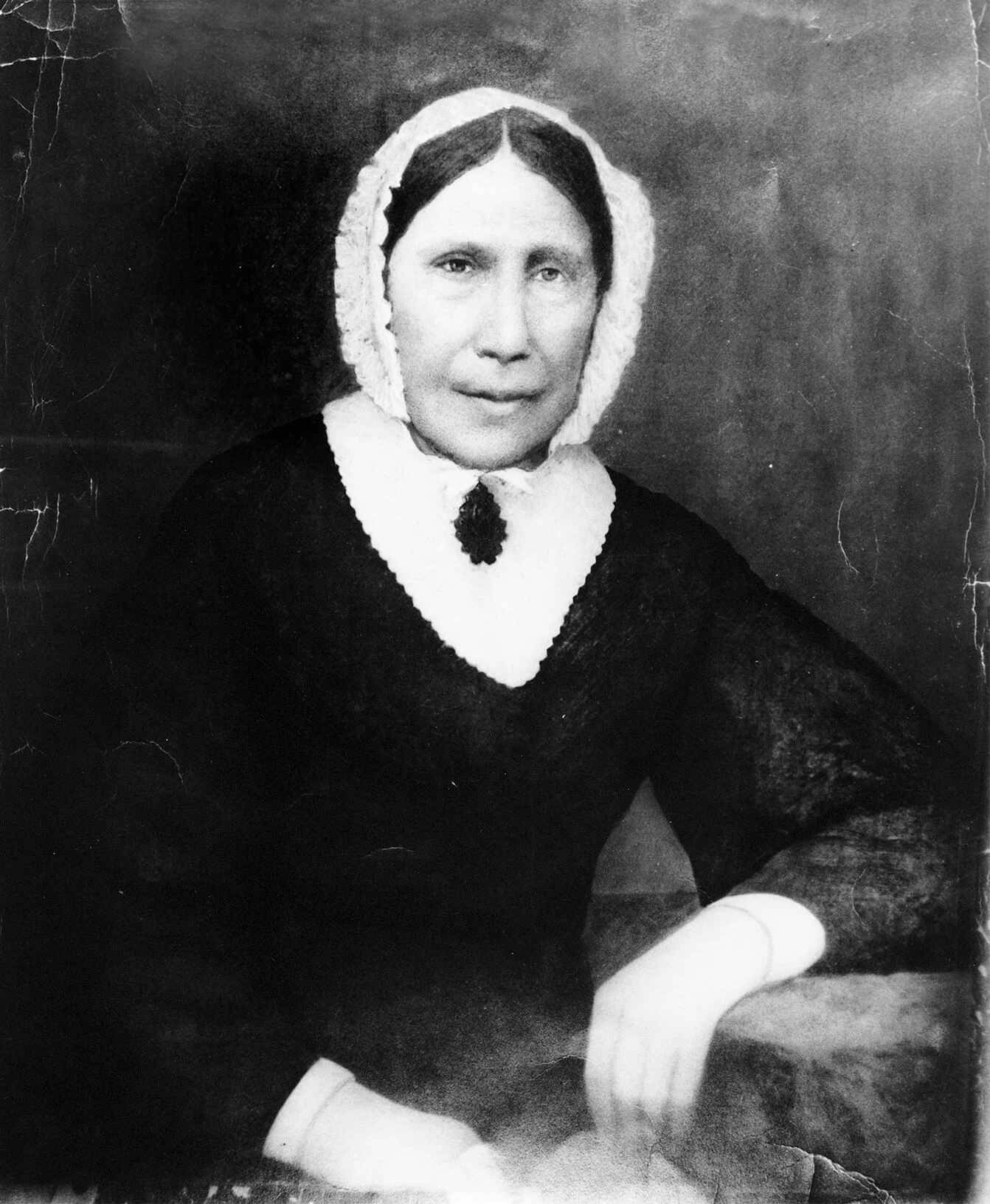
Mary Motherway O’Neil lost her husband from fever at the height of the Irish famine. Because she was a woman, she was not allowed to renew the lease on the family farm. She chose to leave—hoping to find a better life for her family.
Colonized by the English, the Irish owned little land and subsisted largely on the potato. A blight devastated this crop in the 1840s and 50s. As a result, nearly 1.5 million people died from starvation or famine related disease. About one million Irish famine survivors immigrated to the U.S.
In 1851 Mary gathered up her children (ranging in age from 6 to 20 years old) and her meager assets, and boarded a ship to the United States. She planned to settle in Louisiana where she had purchased an interest in a land development company.

Mary Motherway O’Neil
Shillelagh, circa 1865

Besides the dangers of being at sea, ship passengers ran the risk of being robbed. Hanora Foley brought along this blackthorn club, also known as a shillelagh, when she came from Ireland to McLean County. It was used for fending off attackers.
Donated by: Emily Carlton
817.1059

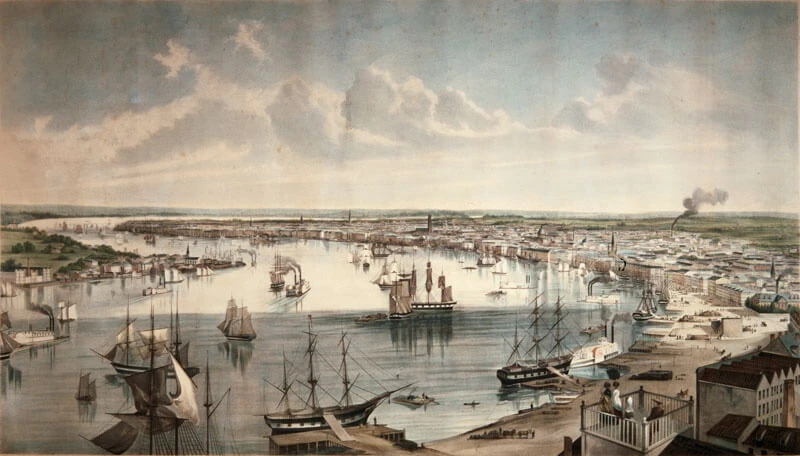
When the O’Neils arrived at the Port of New Orleans, their plans began to fall apart.
Because yellow fever was sweeping through the city, the O’Neils were transferred to a riverboat. This boat took them north to St. Louis. Somewhere along the way, Mary learned that the land company was a fraud and they that had lost all their money.
The O’Neils looked for work in St. Louis.
Phillip, the oldest son, found work on the railroad that was being built from Alton to Chicago. Through this work he learned of opportunities in Bloomington.

Port of New Orleans, circa 1852.
They narrowly missed death when the paddle wheel steamer they booked to Pekin in 1853 exploded a few miles up the river.
The explosion killed almost everyone on board, but the O’Neils had missed the boat. Phillip, who was off drinking, could not be found.
They took a later boat and, after arriving in Pekin, traveled overland to Bloomington.
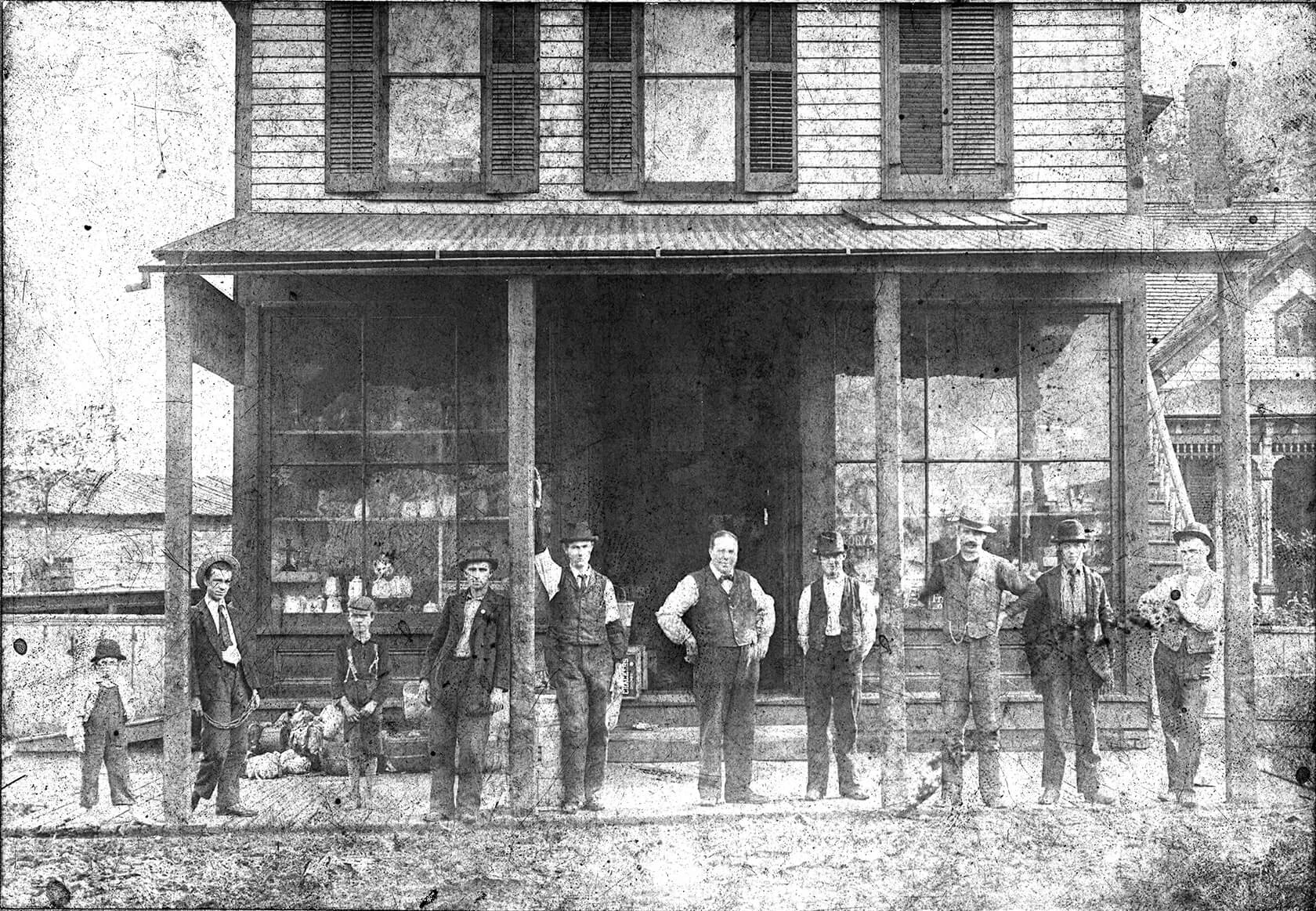
The O’Neils began their new life in Forty Acres. Adjacent to the Chicago & Alton Railroad shops, developers laid out town lots and Irish families borrowed money to build homes. Daniel and William O’Neil opened a grocery store.

The O’Neil brothers, Daniel and William, and their children successfully ran a grocery store on West Chestnut Street from 1863 to 1957. A community mainstay, they were known for supplying groceries to their neighbors in times of need.
Forty Acres, an Irish neighborhood west of the Chicago & Alton Railroad shops, was the center of Irish life. It began as an unincorporated part of Bloomington just outside the city limits. It was remembered as . . .
“[a] squatter town [with] shanties here and there... about each home a garden and a pig sty on the back lot... cow paths across the western prairie led into the brush.”

Map of Forty Acres.
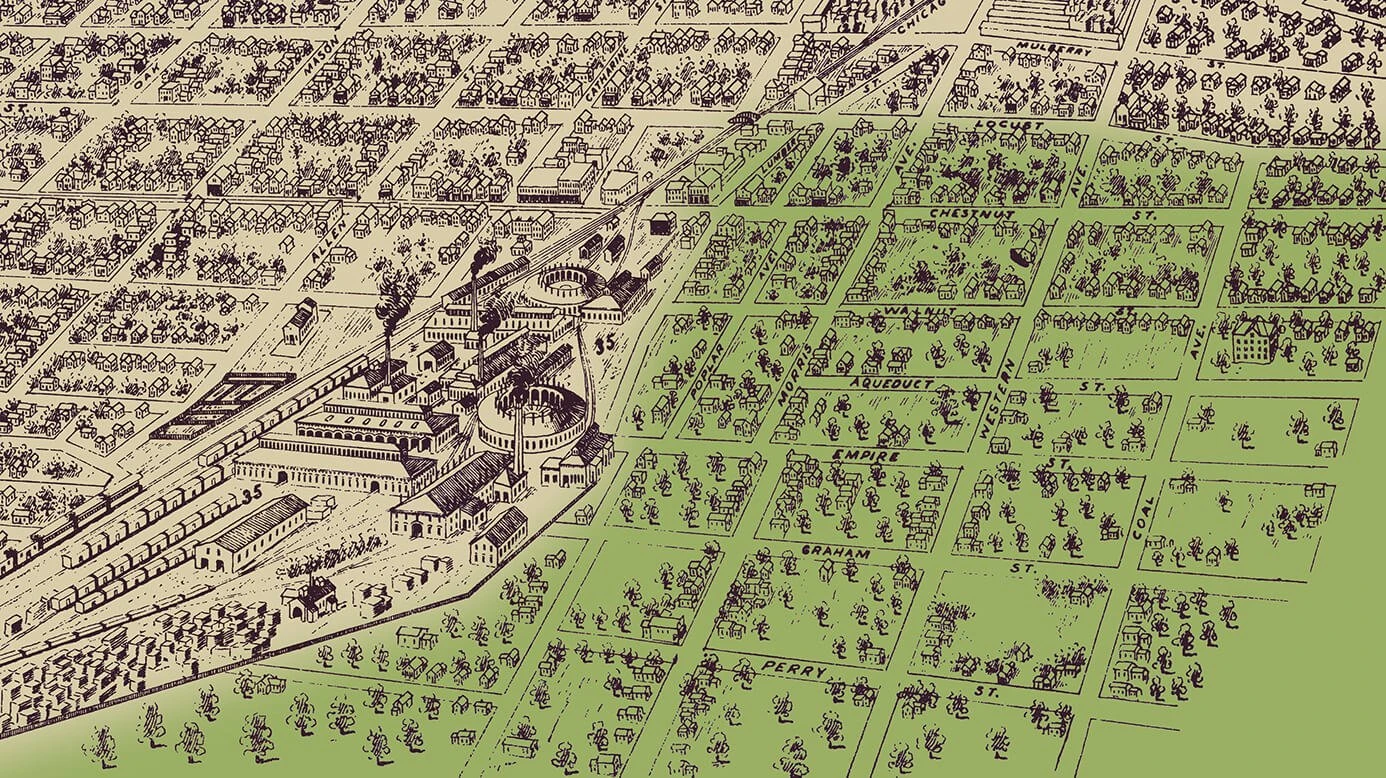
Whether Judge David Davis was a shrewd businessman or was simply impressed by the labors of William O’Neil is unknown. But in 1855 Davis loaned him $100 to build a house for his mother, brothers, and sisters. The home was located on Lumber Street, just behind the O’Neil Grocery.
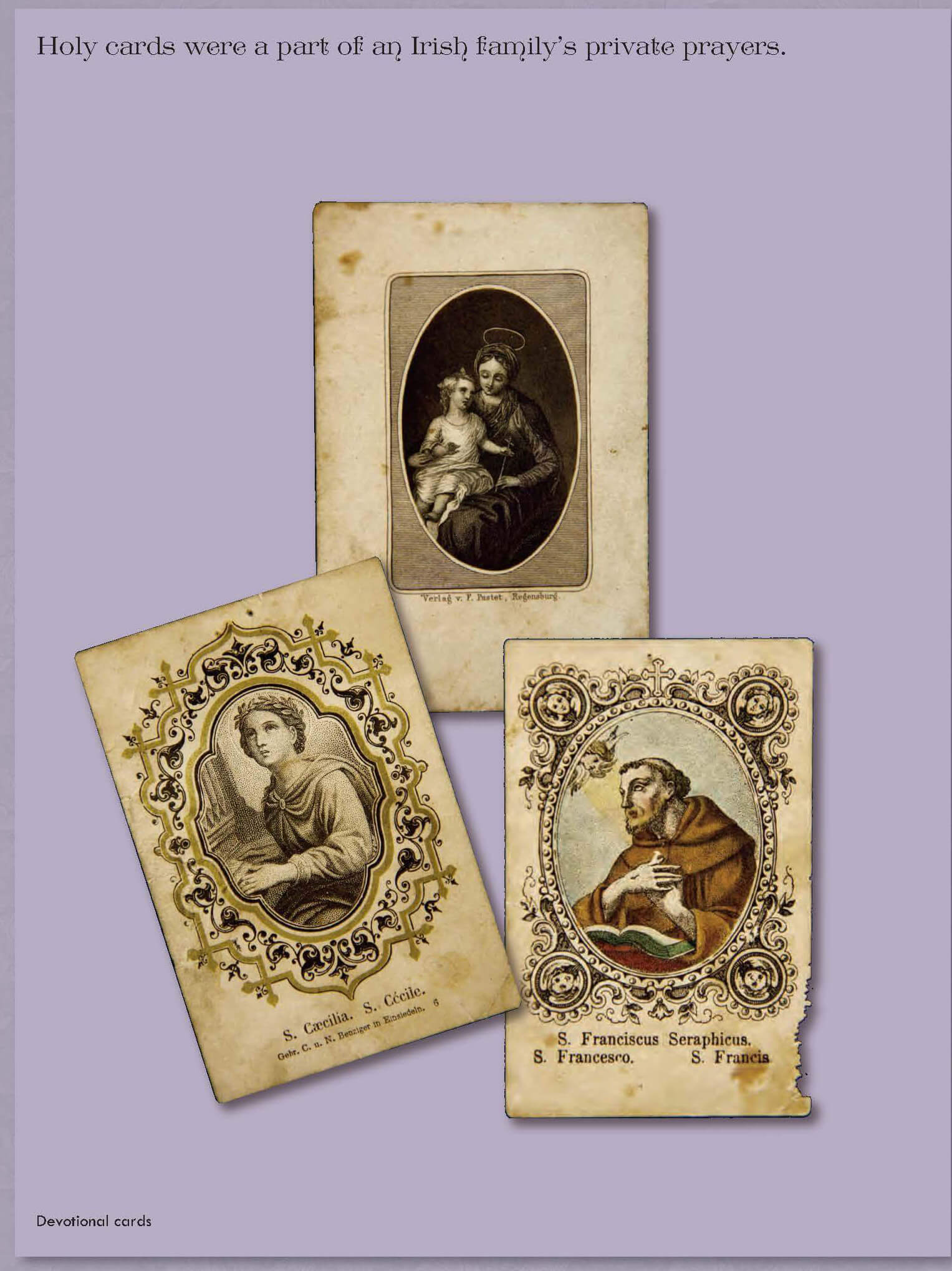
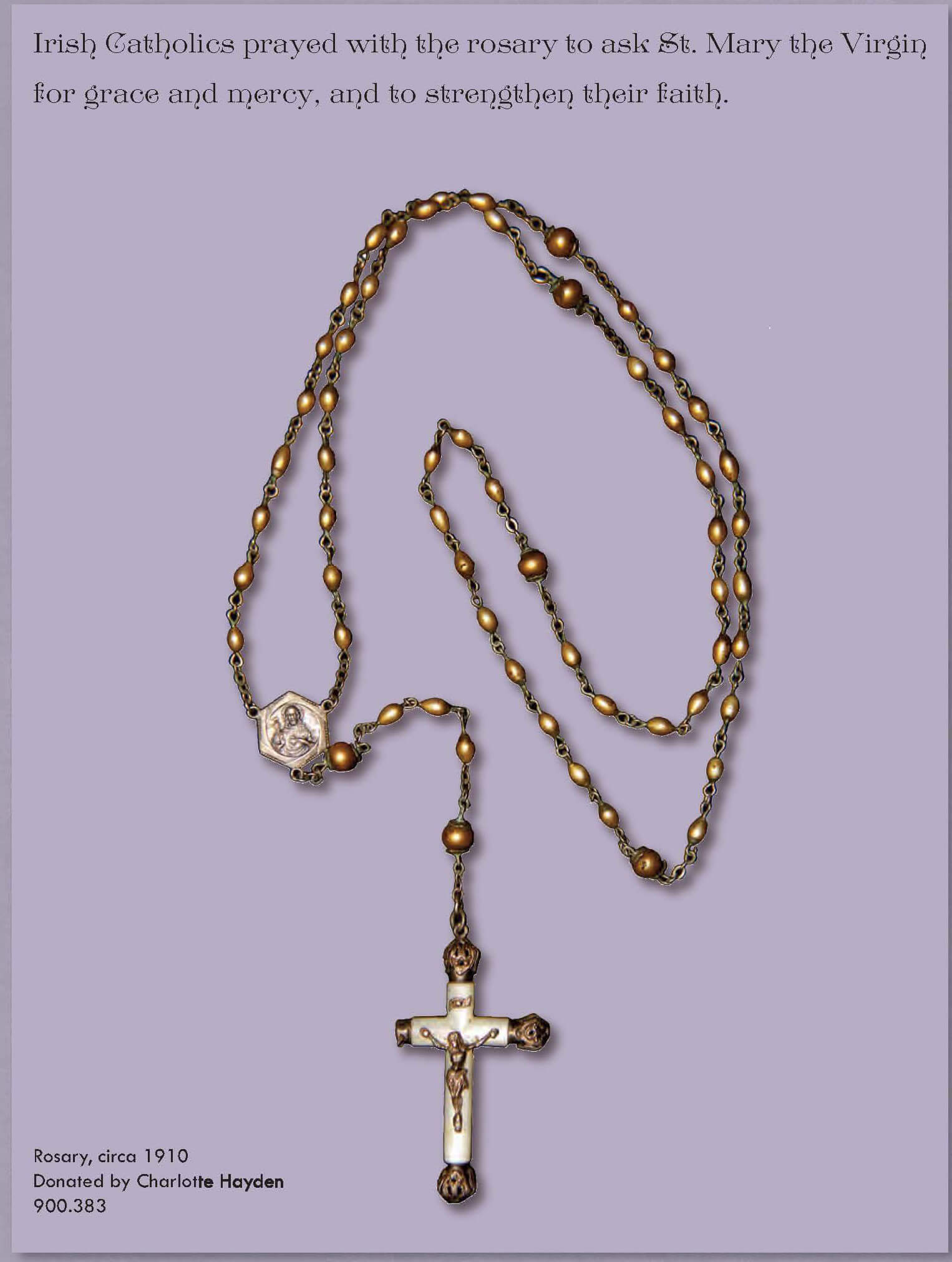
The O’Neils were devoted Catholics who had a lot to pray about. Two of Mary’s sons died violent deaths.
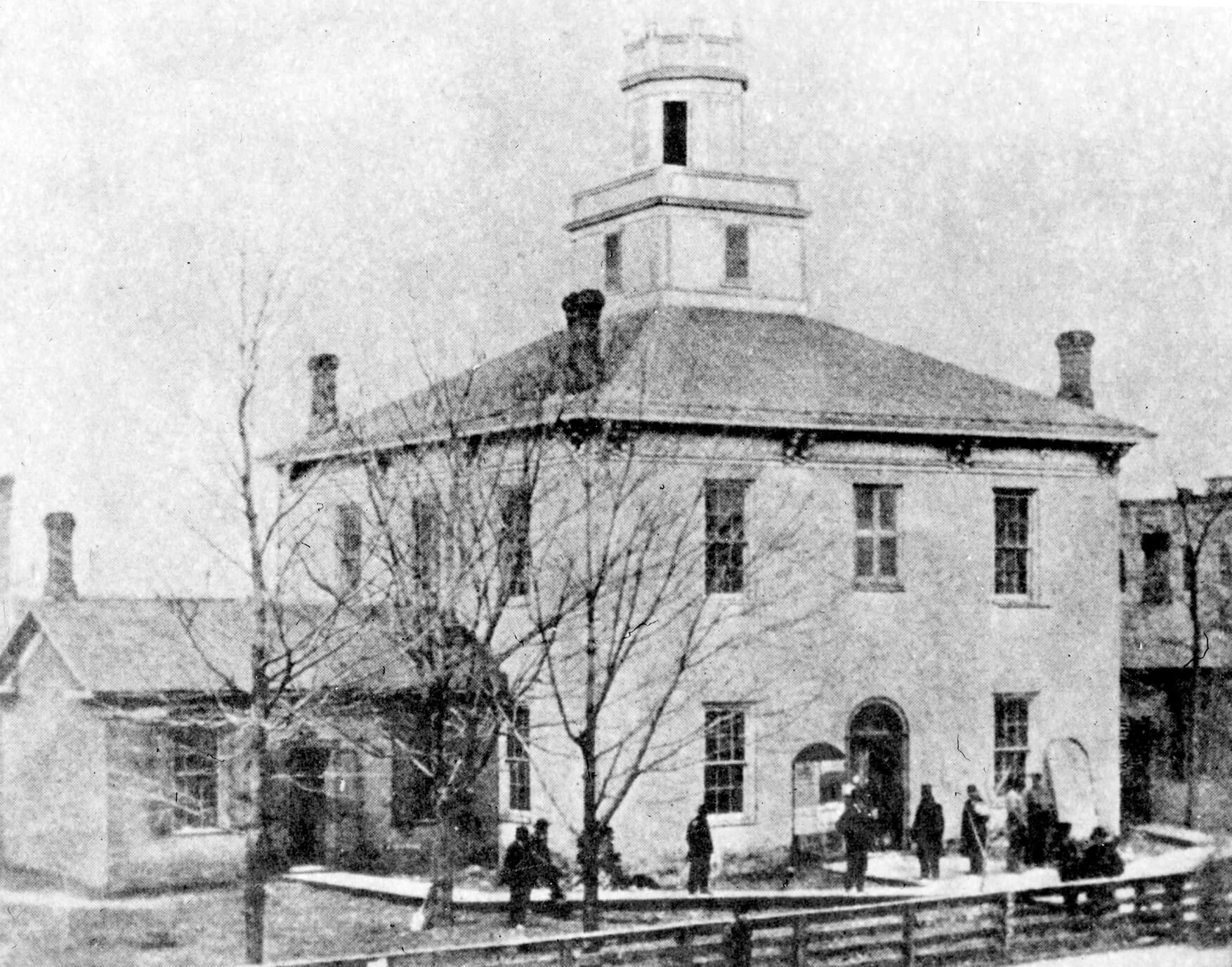
Thirty-three individuals, including William O’Neil, attended the first Catholic mass in Bloomington, held in 1853 in the McLean County Courthouse.
At the time, this was not an unusual practice for congregations that did not yet have a church.

McLean County’s second courthouse, built in 1836.
The Irish enjoyed and preferred socializing with each other.
Large numbers of Bloomington’s Irish joined the Ancient Order of Hibernians. This Irish Catholic organization assisted and protected the Church and its parishioners from discrimination. It later evolved into a social insurance and fraternal organization.