 Making a Home
 A Community in Conflict
 Working for a Living
 Farming in the Great Corn Belt
 Abraham Lincoln in McLean County
A Cosmopolitan Place – Larson Family
Many Swedish immigrants came to McLean County, some directly from Sweden, some from other parts of America. Most moved here in order to improve their economic status. Many ended up working in the coal mines or at the Chicago & Alton Railroad shops.
Emma Hedlund was only 22 and spoke no English. But in 1881, determined to come to America, she set off on her own.
Like many others, Emma was most likely encouraged by friends or relatives to come to Bloomington where jobs were available. She arrived in the U.S. in July and came directly to Bloomington.
Emma found work as a domestic servant in the home of the widow Malinda Howe. Depending upon the generosity of her employer, Emma would have earned somewhere between $2.23 and $2.73 per week plus room and board. That equals $311 to $406 plus room and board, adjusted for inflation in 2014.
Emma undoubtedly met Gustav A. Larson at a social or religious function organized by the Swedish Lutheran Church.
Gustav was also single when he came to the U. S. from Sweden in 1882. He joined the Swedish Lutheran Church to be with others like himself who practiced the same religion, spoke the same language, and were from Sweden.
Gustav and Emma married in 1885 and set up house at 910 W. Olive Street, close to the mine where Gustav worked.
Emma no longer worked as a domestic servant. Instead she managed the home and raised their two daughters, Lillie and Esther. The Larsons remained active in the Swedish Lutheran Church throughout their lives.

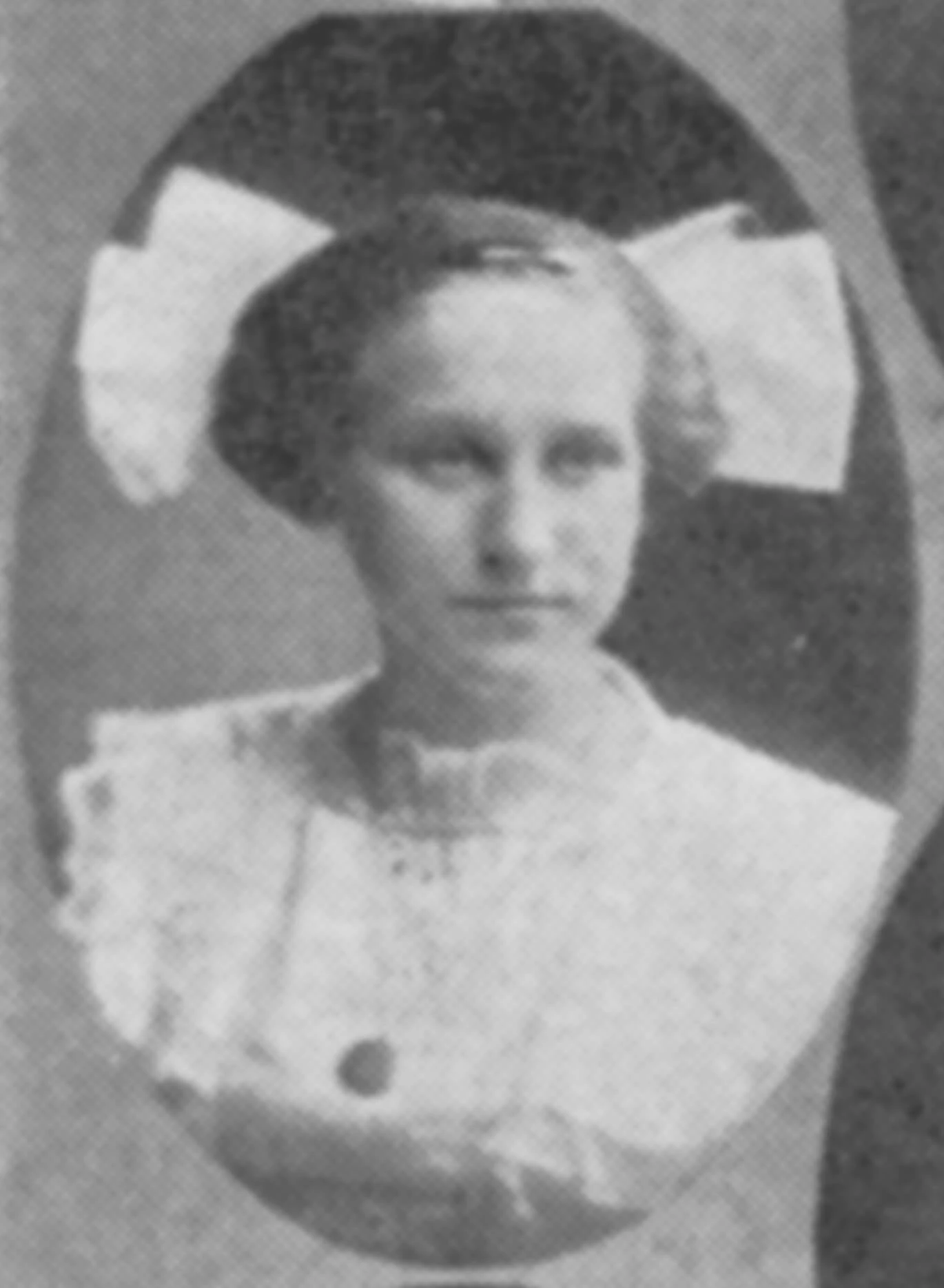
Emma and Gustav’s daughter, Lillie Larson.
Infant dress, circa 1890

View this object in Matterport
Both of Emma and Gustav’s daughters, Lillie and Esther, wore this infant dress, circa 1890.
Donated by: Alice Thomas Van Ness Brown
814.1557

Stevensonville
Many Swedes preferred to be surrounded by people like themselves and to live close to work. Because of this, Stevensonville and the surrounding neighborhoods were where many of them settled.
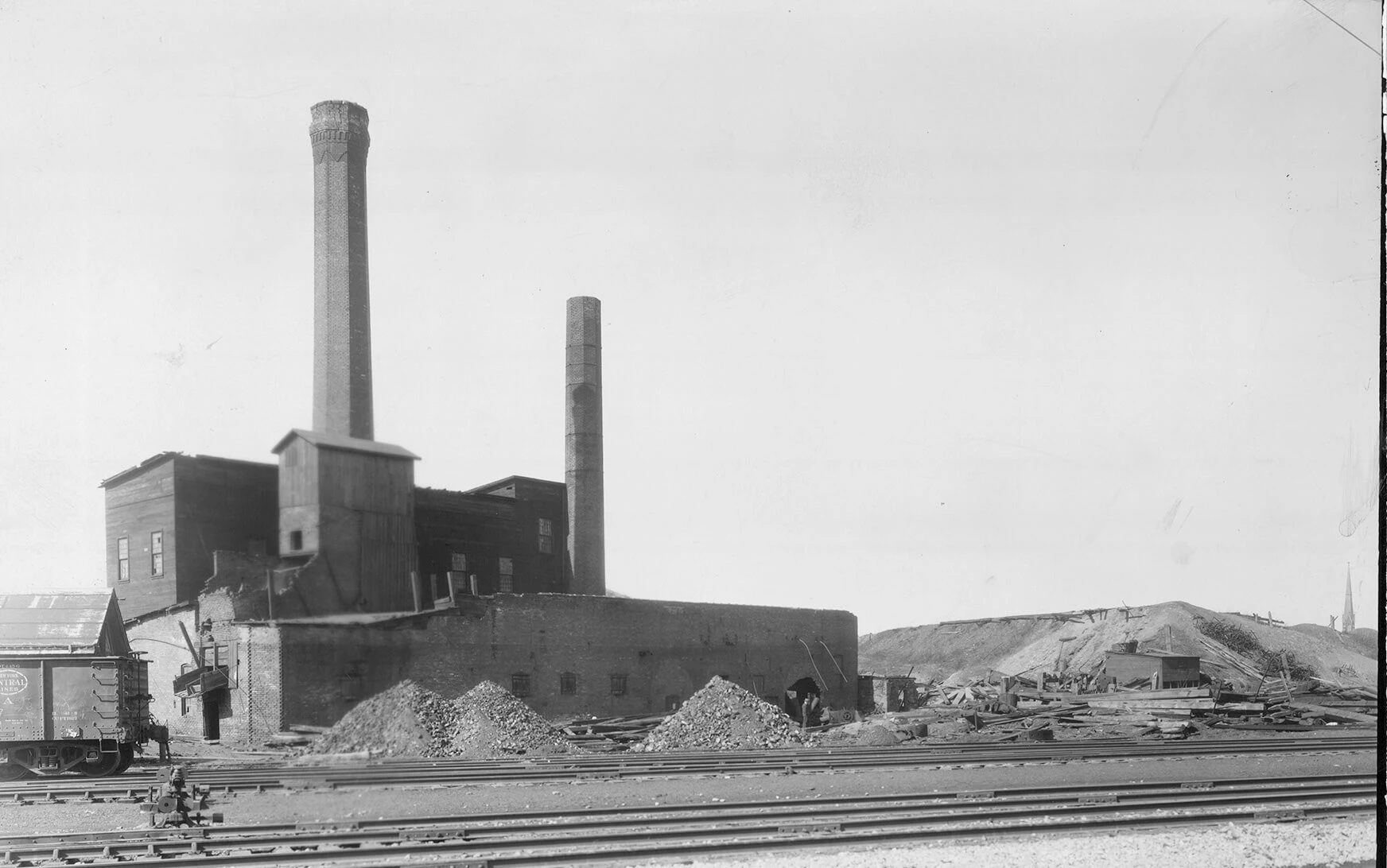
In 1872 workers at the Kewanee mine were offered what appeared to be a good work opportunity at the Bloomington mine. But the mine owners deceived them.
“They were entirely ignorant of the miners’ strike until they arrived or they would not have come. The McLean County Coal Company had paid their transportation, provided home and work: they were there and there was nothing to do but remain, suffer the consequences of strike breakers and make the best of it.”
— The Daily Pantagraph, June 22, 1913

C. Organized by Matthew T. Scott, the McLean County Coal Company opened in 1867.